Finishing a meal should leave you satisfied, not uncomfortable. Yet stomach pain after eating is a common symptom that can happen for many reasons, ranging from eating too quickly and temporary indigestion to food intolerances or digestive conditions that need medical attention. Where the pain occurs, how quickly it starts, how long it lasts, and which foods seem to trigger it can all provide useful clues.
An occasional mild stomachache may settle without treatment. However, recurring pain after meals deserves more attention, especially if it comes with vomiting, weight loss, fever, bleeding, persistent diarrhea, difficulty swallowing, or severe tenderness. Rather than assuming a particular food is responsible, look at the whole symptom pattern and discuss persistent problems with a qualified healthcare professional.
Why Can Stomach Pain After Eating Happen?
Eating activates several parts of your digestive system. Your stomach stretches, digestive secretions increase, and the intestines begin moving food forward. Meanwhile, the gallbladder and pancreas release substances that help digestion.
Because several organs participate in this process, discomfort after meals doesn’t always originate in the stomach itself.
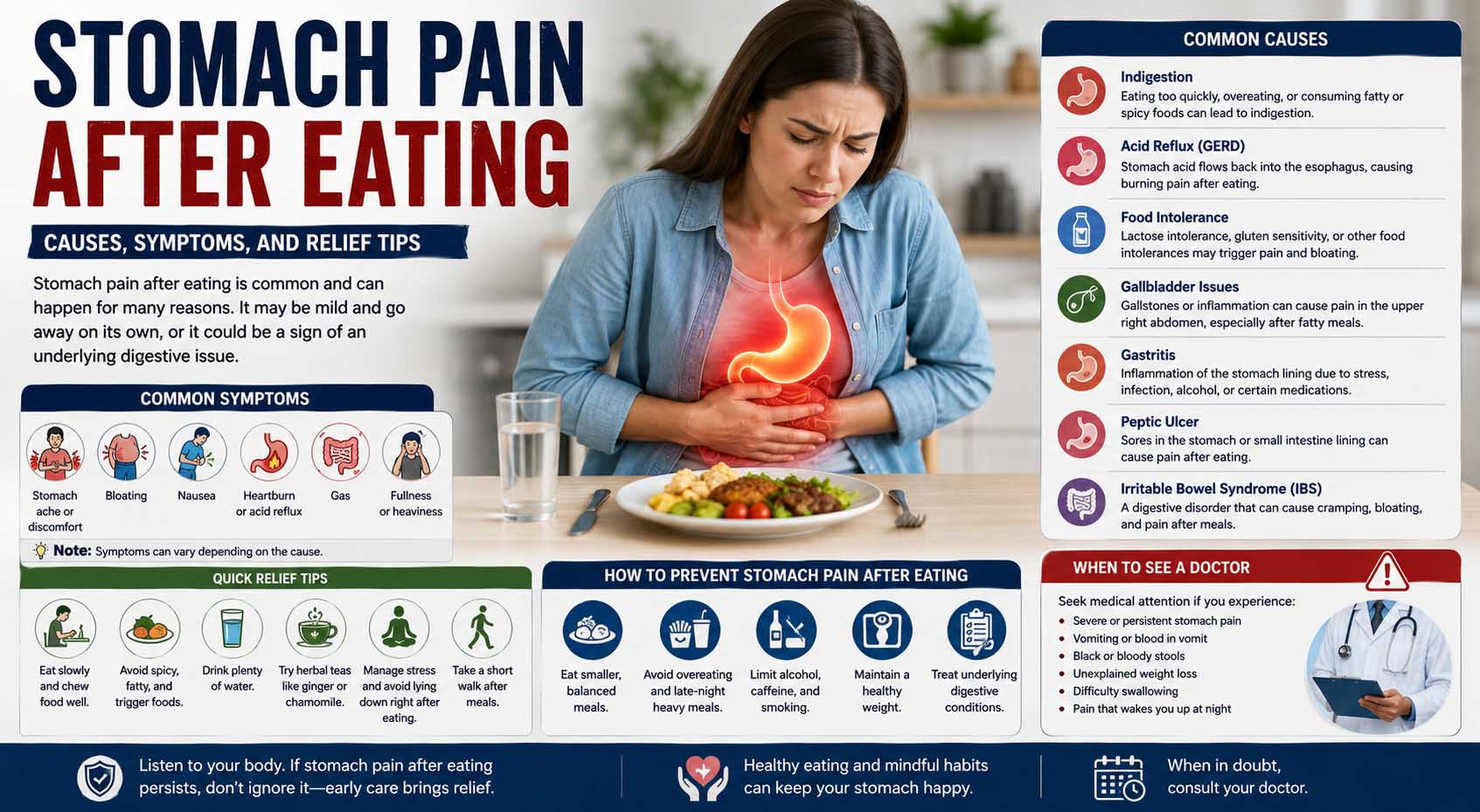
Common possibilities include indigestion, gas, acid reflux, food intolerance, constipation, irritable bowel syndrome (IBS), stomach ulcers, gallbladder problems, and other gastrointestinal conditions.
The location can help narrow the possibilities. For example, pain on right side of stomach may suggest a different group of causes than discomfort centered high in the abdomen or pain concentrated on the lower left side.
Still, location alone cannot provide a diagnosis. Therefore, recurring symptoms need to be considered alongside their timing and other signs.
Stomach Pain Immediately After Eating
When stomach pain immediately after eating develops, people often assume they have eaten something “bad.” However, the timing doesn’t necessarily mean food poisoning.
Indigestion can cause uncomfortable fullness, burning, bloating, nausea, or upper abdominal discomfort during or shortly after a meal. Eating quickly, overeating, or consuming foods that personally trigger symptoms can sometimes make the problem more noticeable.
Acid reflux may also become worse after eating. In that case, symptoms can include burning behind the breastbone, an acidic taste, belching, or upper abdominal discomfort.
Meanwhile, existing irritation or disease affecting the stomach or upper digestive tract can make symptoms noticeable when food enters the stomach.
Keeping track of exactly how quickly pain begins can therefore help a healthcare professional evaluate the pattern.
Upper Stomach Pain After Eating
Upper stomach pain after eating can have several possible causes, so the character of the discomfort matters.
Indigestion often affects the upper abdomen. Likewise, peptic ulcers can cause burning or aching discomfort in the upper abdomen, although symptoms vary and cannot be reliably diagnosed based on pain timing alone.
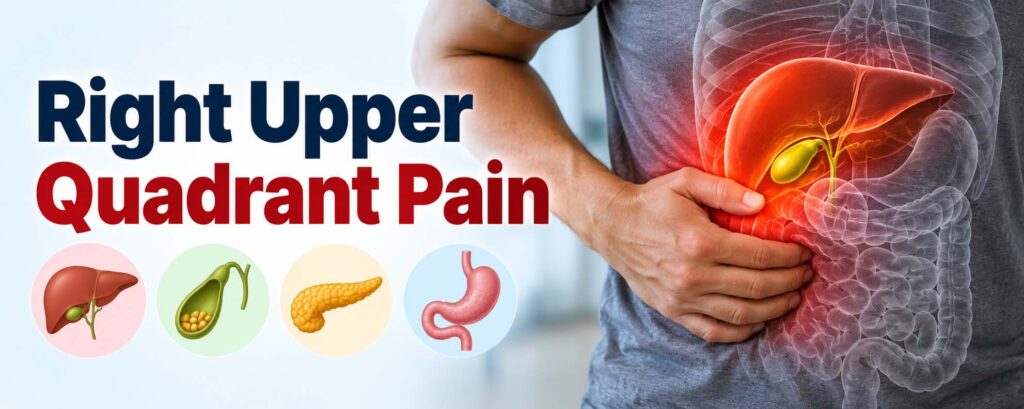
Gallbladder problems are another possibility, particularly when pain occurs in the upper-right or upper-middle abdomen. Gallstones can block the normal movement of bile and produce significant abdominal pain.
Pancreatic conditions can also cause upper abdominal pain, sometimes with pain extending toward the back. Acute pancreatitis can be serious and needs medical treatment.
Likewise, discomfort that seems to sit high beneath the chest may not always be gastrointestinal. Someone experiencing pain under right breast may actually be describing discomfort involving the ribs, muscles, gallbladder, lungs, or structures in the upper abdomen.
Therefore, severe or unexplained upper abdominal pain shouldn’t simply be labeled indigestion without assessment.
Lower Stomach Pain After Eating
Although food enters the stomach in the upper abdomen, lower stomach pain after eating can occur because eating stimulates intestinal activity.
Gas and bloating can produce pressure or cramping lower in the abdomen. Meanwhile, constipation can cause pain, fullness, or discomfort that becomes more noticeable after meals.
IBS is another possible cause. People with IBS may experience recurring abdominal pain related to bowel movements, along with diarrhea, constipation, or both. Certain foods may trigger symptoms for some people, although triggers vary considerably.
Pain focused specifically on the lower-left side can have other causes as well. Therefore, understanding lower left abdomen pain can be useful when discomfort repeatedly occurs in that location rather than across the entire abdomen.
Persistent localized pain, particularly with fever, bleeding, or major bowel changes, needs medical evaluation.
Food Intolerances Can Trigger Pain in Stomach After Eating
An intolerance usually involves difficulty digesting or processing a particular food or ingredient, while a food allergy involves the immune system and can sometimes cause a dangerous reaction.
Lactose intolerance is a common example. People who don’t digest lactose well may experience gas, bloating, abdominal discomfort, and diarrhea after consuming certain dairy products.
Other carbohydrates can also contribute to digestive symptoms in susceptible people.
However, don’t eliminate several major food groups based only on occasional discomfort. Restrictive diets can make balanced nutrition harder, while self-diagnosis may overlook another condition.
Instead, keeping a food-and-symptom diary can help identify patterns that you can discuss with a doctor or registered dietitian.
Could Gas and Bloating Be the Cause?
Gas is a normal part of digestion. However, excess gas or difficulty moving gas through the digestive tract can create pressure, bloating, and cramp-like discomfort.
Eating quickly can increase swallowed air. Likewise, carbonated drinks and certain foods may contribute to gas in some people.
The discomfort can also move. As a result, pain may appear in different parts of the abdomen at different times.
Gas trapped higher in the digestive tract can occasionally feel like discomfort near the ribs. Yet pain around ribs and back symptoms can have many other causes, so persistent or severe pain in that area shouldn’t automatically be blamed on digestive gas.
If bloating occurs after nearly every meal or has recently changed without an obvious explanation, mention it to a healthcare professional.
Gallbladder Pain Can Become Noticeable After Meals
The gallbladder stores bile and releases it into the small intestine to help digest fats. Gallstones sometimes form and may cause no symptoms at all.
However, if a stone blocks a bile duct, pain can develop in the upper-right or upper-middle abdomen. The discomfort may become intense and can sometimes spread toward the right shoulder or back.
Symptoms can appear after eating, which is why recurring upper-right abdominal pain around meals deserves medical assessment.
Gallbladder inflammation or persistent blockage can lead to complications. Therefore, severe pain that doesn’t improve, especially with fever or jaundice, requires prompt medical attention.
Can an Ulcer Cause Pain After Meals?
A peptic ulcer is a sore in the lining of the stomach or the first part of the small intestine.
pylori and regular use of certain nonsteroidal anti-inflammatory drugs (NSAIDs), such as ibuprofen and naproxen.
Ulcers may cause burning or aching upper abdominal discomfort, although some people have few symptoms.
Food may change ulcer discomfort, but the pattern isn’t reliable enough to diagnose an ulcer yourself.
Black, tarry stools or vomiting blood can indicate gastrointestinal bleeding and require urgent medical care.
Acid Reflux and Indigestion After Eating
Indigestion, also called dyspepsia, can produce upper abdominal discomfort, early fullness, bloating, nausea, or burning.
Meanwhile, gastroesophageal reflux occurs when stomach contents move upward into the esophagus. Heartburn is a common symptom, although reflux can also cause regurgitation and other discomfort.
Large meals may worsen symptoms for some people. Likewise, lying down soon after eating can make reflux more noticeable.
If heartburn occurs frequently, interferes with daily life, or comes with difficulty swallowing, unexplained weight loss, persistent vomiting, or bleeding, seek medical advice.
A Quick Guide to Pain Patterns
The timing and location of pain can’t diagnose the cause, although they can provide useful information.
| Pain pattern | Possible explanations | When to seek advice |
|---|---|---|
| Upper abdominal discomfort | Indigestion, reflux, ulcer and other causes | If persistent or recurring |
| Upper-right pain | Gallbladder and other abdominal causes | If recurring, severe, or associated with fever/jaundice |
| Bloating and cramps | Gas, intolerance, constipation, IBS | If frequent or worsening |
| Lower abdominal cramps | Bowel-related conditions and other causes | If persistent or accompanied by bowel changes |
| Severe sudden pain | Multiple possible urgent conditions | Seek prompt medical assessment |
Symptoms overlap considerably. Therefore, use this table as a general guide rather than a diagnostic tool.
What to Do About Mild Stomach Pain After Eating
For mild and occasional symptoms without warning signs, simple changes may help you understand what triggers the discomfort.
First, slow down while eating and chew food thoroughly. Also, consider smaller portions if very large meals repeatedly cause discomfort.
Next, keep a brief diary of your meals and symptoms. Record what you ate, when the pain began, its location, how long it lasted, and whether you experienced bloating, nausea, diarrhea, constipation, or reflux.
Avoid immediately removing many foods from your diet. Instead, look for consistent patterns and discuss them with a healthcare professional if symptoms continue.
Likewise, be cautious with over-the-counter medicines. The right choice depends on the suspected problem, your other medications, pregnancy status, and medical history. A pharmacist or doctor can help you use them appropriately.
How Doctors Investigate Recurring Pain After Meals
If the problem keeps returning, a healthcare professional will usually begin with your medical history and symptom pattern.
They may ask about pain location, meal timing, bowel habits, medications, weight changes, alcohol use, previous digestive conditions, family history, and foods that appear to trigger symptoms.
Next, a physical examination can help identify tenderness or other clues.
Depending on the situation, testing might include blood tests, stool testing, H. pylori testing, ultrasound, endoscopy, or other imaging.
Not everyone needs extensive testing. Instead, the appropriate investigation depends on age, symptoms, examination findings, medical history, and warning signs.
When Stomach Pain After Eating Needs Medical Attention
Most mild stomachaches aren’t emergencies. However, certain symptoms deserve prompt assessment.
Seek urgent medical care if abdominal pain is severe, suddenly worsening, or accompanied by:
- Vomiting blood
- Black or bloody stools
- Fainting or severe weakness
- A hard or severely tender abdomen
- Persistent vomiting
- High fever with significant abdominal pain
- Yellow skin or eyes
- Chest pain
- Trouble breathing
- Severe pain following an injury
Meanwhile, arrange a routine medical appointment for pain that repeatedly follows meals, persists for days, gradually worsens, disrupts sleep, or occurs with unexplained weight loss, ongoing bowel changes, frequent vomiting, or difficulty swallowing.
FAQs About Pain After Eating
Why does my stomach hurt every time I eat?
Repeated pain can occur with several digestive conditions, including indigestion, reflux, food intolerance, IBS, ulcers, or gallbladder disease. Since symptoms overlap, recurring pain should be evaluated rather than repeatedly self-treated.
Is stomach pain immediately after eating normal?
Occasional mild discomfort can happen after overeating or eating quickly. However, frequent, significant, or worsening pain isn’t something you should simply accept as normal.
Why do I get stomach pain after eating fatty foods?
Fatty meals can worsen symptoms in some people with indigestion or reflux. Meanwhile, gallbladder-related symptoms may also occur around meals. Recurring upper-right abdominal pain deserves medical assessment.
Can anxiety cause stomach discomfort after meals?
Stress and anxiety can affect digestive function and may worsen symptoms in some people. However, don’t assume recurring abdominal pain is psychological until medical causes have been appropriately considered.
Can constipation make my stomach hurt after eating?
Yes. Eating naturally stimulates movement in the digestive tract, so constipation-related discomfort may become more noticeable after meals.
Should I stop eating foods that seem to cause pain?
Avoiding a clear short-term trigger may be reasonable. However, repeatedly eliminating entire food groups without guidance can create nutritional problems and may not address the actual cause. A healthcare professional or registered dietitian can help when dietary triggers seem likely.
Use the Pattern to Decide Your Next Step
An isolated episode of stomach pain after eating may simply settle, especially if it followed an unusually large meal and no other concerning symptoms appear. Still, pain that keeps returning is worth investigating rather than learning to live with it.
Pay attention to where the pain occurs, how soon it starts, how long it lasts, and whether certain foods consistently trigger it. Also, note associated symptoms such as reflux, bloating, vomiting, diarrhea, constipation, fever, or weight changes.
Those details can make a medical appointment far more useful. Meanwhile, seek prompt care for severe pain or warning signs rather than trying to identify the cause at home.